

You might wonder, why is it sometimes complicated to get your vehicle repaired? Shouldn’t it be as easy as pulling into the dealership service bay, getting it fixed, and going about your day?
Sometimes getting your car repaired isn’t straightforward. In fact, things might escalate out of hand, and you can quickly be faced with a potentially unfixable problem. You may end up dealing with an unexpected, frustrating situation: dealer repairs that keep failing.
The next thing to do is learn about your rights, which can mean the difference between being stuck with an expensive, unsafe car or truck and getting the refund or replacement vehicle you deserve.
The key point that is at the heart of all lemon law claims is if the problem is a substantial defect. That definition is specific under lemon law, and it’s where a lemon law attorney will begin when they review your case via a free consultation (866-440-2460).
What is a Substantial Defect Under Lemon Law?
Standard warranties cover almost any mechanical defect, but lemon laws specifically target what the law calls a “substantial defect.”
A substantial defect is an issue that is covered by the manufacturer’s express warranty and must severely impact the vehicle in one of these ways:
- The defect makes the vehicle unsafe. This type of defect includes, but isn’t limited to, faulty brakes, steering failures, or sudden engine stalling.
- The problem significantly lowers the vehicle’s value. Examples of this might include a cracked frame or a transmission that slips.
- The issue prevents you from driving the car normally, so you may not be able to use it, or your use is restricted. A problem that could fit this definition is an electrical system that randomly drains the battery overnight.
The defect has to be serious enough that it greatly changes your experience of owning and operating the vehicle.
The Repair Attempt Allotment
States provide manufacturers with a fair opportunity to fix the defect. While state lemon laws differ, often, the manufacturer (or its authorized dealer) usually gets 3–4 repair attempts to fix the defect, and if that number of attempts is fulfilled or exceeded, the vehicle may potentially qualify as a lemon (check with your attorney for any additional state-specific lemon qualifying criteria). A vehicle can also qualify as a lemon if it is out of service for a cumulative total of days—usually 30 days or more within a specific period.
Defining a Repair Attempt
So, what counts as a physical repair? That can be confusing and is defined in this way so it will count as a formal repair attempt:
- You must take the vehicle to an authorized dealership representing your vehicle’s brand. Independent repair shops don’t count toward the repair allotment.
- The dealership must write up a formal repair order detailing your specific complaint. So, for example, if you brought the car in for it pulling to one side when braking, then the repair order should state that the repair appointment was for that issue.
- When you pick up the vehicle, you must receive a completed invoice detailing what work was performed, what parts were replaced, and how long the vehicle was held.
For more information on arbitration and other frequently asked Breach of Warranty questions, click here.
What About the Dreaded ‘Could Not Replicate the Problem’?
Even if the technician states they “could not replicate the problem” and performed no work, that visit still counts as a legal repair attempt. So, there are no ‘wasted’ repair attempts. If you brought the vehicle in for a repair of the issue you are making a claim about, that visit will count towards the manufacturer’s repair allotment.
How do Over-the-Air (OTA) Repairs Figure In?
As modern vehicles have become more like roving computers, the way manufacturers fix defects has changed, too. Many of today’s newer cars can receive Over-the-Air (OTA) software updates sent via cellular or Wi-Fi networks. These updates can fix software bugs, braking algorithms, battery management issues, and other problems.
But if you don’t bring your vehicle in to the shop for these updates (they can happen while your car is at home), do they count toward your lemon law-allotted repair attempts? The current legal consensus is that yes, OTA repairs can count toward the state repair allotment.
What if the OTA update doesn’t work?
If a manufacturer pushes a software update and it doesn’t resolve the issue, this attempt counts the same as a physical trip to the dealership shop. It represents a formal attempt by the manufacturer to remedy a warranted defect.
Note: It is important to keep documentation such as alerts, records, or emails from the manufacturer describing the issue and the OTA fix they applied.
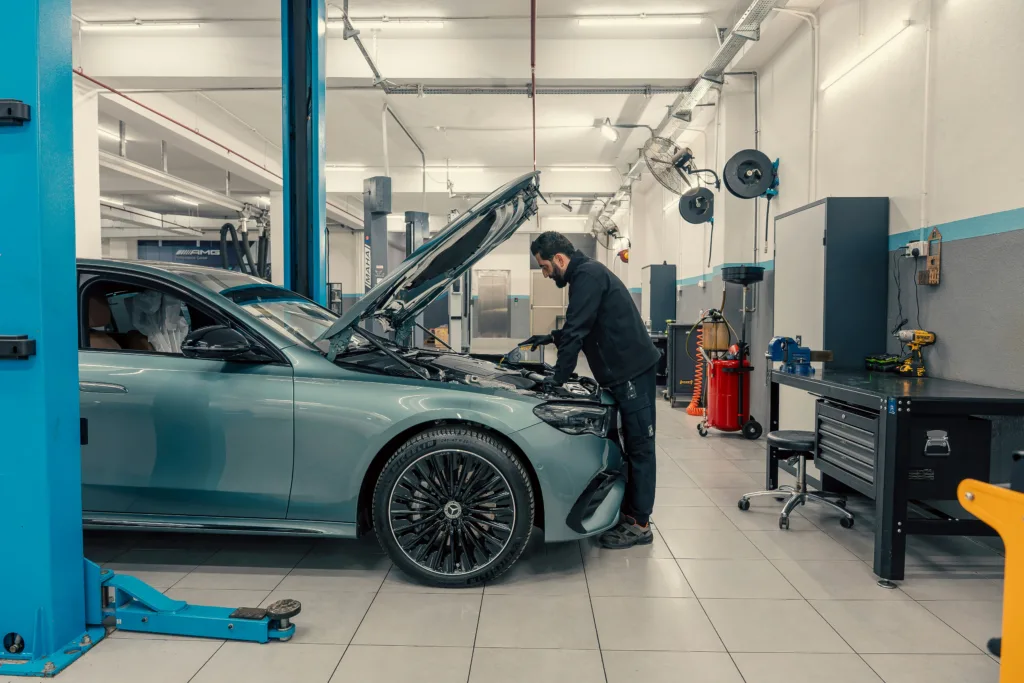
Image Source: Unsplash
How You Benefit from a Lemon Law Attorney
The manufacturer’s goal is to minimize payouts of compensation, and the lemon law lawyer’s focus is to protect their clients’ rights to compensation. Your best chance to gain a replacement vehicle or a buyback is to have a skilled, experienced lemon law attorney fighting for you. The lemon law attorney will go over what to expect in compensation from the manufacturer depending on what form of compensation you choose. The goal will be to either ensure you are compensated via a buyback (including resolution of your loan, plus payments you’ve made, taxes and fees, and incidental costs like towing and rentals) or a replacement vehicle. Consult the attorney, as there will be a fee to pay to the manufacturer (it can be deducted from your compensation in a buyback) to cover the miles you drove the vehicle before it was first brought in for a repair relating to the defect. This offset fee is often waived when you select a replacement vehicle, and if you choose a replacement, your loan will transfer to the new vehicle, and you can recover incidental damages such as rentals and towing.
Important: Don’t wait to report a problem with your vehicle. To qualify for a lemon law buyback or replacement, you usually must report the defect to the dealer while the manufacturer’s warranty is still active. Each state is different, but for example, should your transmission start giving you trouble and your state’s laws require you to report the first instance of the problem within 18,000 miles, and you wait until 25,000 miles, you could lose your eligibility to get a full buyback or replacement vehicle. Even if that should happen, your attorney may still be able to negotiate a ‘cash-and-keep’ settlement if you sue within your state’s statute of limitations.
Lemon laws are confusing. Read our guide to the lemon law complaint process.
Anticipating Manufacturer Counterclaims
Manufacturers will try to dismiss, delay, or avoid your claim using predictable tactics. An attorney anticipates these strategies and fights back to protect your rights:
The manufacturer may say that your claim is due to normal wear and tear. Your attorney will consult your warranty to clarify it as a counter to the manufacturer’s denial. The manufacturer could also claim that you caused the defect through negligence. Your attorney will use your dealer service records as clear evidence that you took care of the vehicle properly.
What else could the manufacturer do to try and deny a claim? The defect might be deemed ‘not substantial enough’ by your manufacturer. Your attorney will consult national safety standards and manufacturing guidelines to confirm the defect’s severity.
When the manufacturer realizes you have a skilled, experienced attorney who anticipates and prepares for these traps, its attempts to stall often cease. The lemon law attorney stays focused on protecting your rights and winning you a buyback or replacement vehicle.
Most Lemon Law Claims Settle Out of Court
Most lemon law claims settle out of court through direct negotiations or structured mediation. That’s because manufacturers want to avoid the high costs, unpredictability, and negative public relations of a public trial. The lemon law lawyer keeps the focus on holding the manufacturer accountable and, if needed, will take the case to court.
Contact Allen Stewart, P.C. for Expert Lemon Law Representation
If your vehicle has been subjected to repeated, failed repair attempts, it’s important to have documentation for all the repairs. When you first visit Allen Stewart, P.C. we’ll review your warranty and your evidence (in addition to repair records, we’ll examine any photos, videos, phone, email, or text correspondence you have). We can also bring in automotive experts to provide supporting testimony. We may analyze online databases and more sources to help prove your claim.
Should you hire a lemon law attorney? Yes, for two reasons: One: you do not have to pay us to represent you, as the manufacturer is obligated to pay your legal fees when you win your case. Two: the manufacturer will certainly use its legal team to protect its interests; you need our top attorneys to defend your rights. Allen Stewart, P.C.’s attorneys have won many lemon law cases across the country, and our lawyers are well-known in California, Texas, and New York for winning compensation for our clients.
Don’t wait to call us. Time is of the essence with lemon law claims. Contact Allen Stewart, P.C. now (866-440-2460) for your free consultation, or schedule your free case review online.