
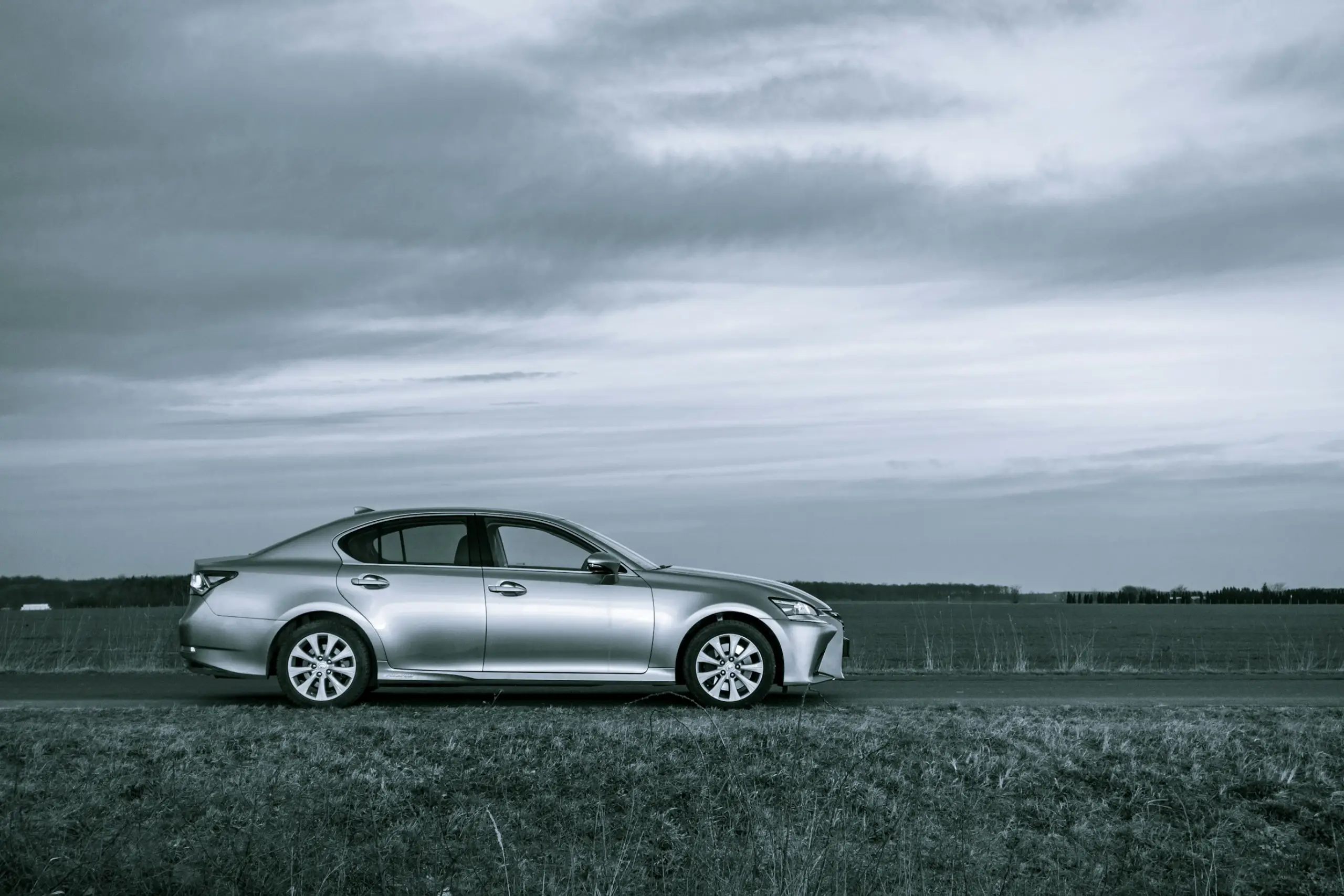
When you read our blog, you’ll see we cover multiple aspects of lemon law. But what about trying to avoid buying a defective car in the first place? There is no 100% foolproof way to do that, but you can push the odds to your favor by following our checklist below. Much of what we list here is common sense, but in the heat of the moment, and with everyone’s busy lifestyles, it can be easy to overlook a few key points. Keep this list handy, and go through it as you narrow down your shortlist of vehicles.
It can take some time to complete this research and to get these tests done. That’s okay, as in the long run, you give yourself a better chance to buy not only the car you want, but one that will be able to function as you wish, and hopefully last for as long as you need it.
Let’s dig into what to consider/watch out for:
- Buy a Certified Pre-Owned (CPO) car, if possible, with a remaining manufacturer’s original warranty, and additional CPO warranty. The benefit of doing this is that the vehicle goes through a multipoint inspection. You’ll have time left on the original manufacturer’s warranty (check to see if that is the case) and also get a new CPO warranty for when the original warranty expires. None of these protections guarantee you won’t get a lemon vehicle, but between state and federal law (even though state laws differ) you should have some recourse at least for damages, if not refund or replacement, should a substantial defect occur.
- Do vehicle-specific research before you buy: For example, search online for: “Toyota Prius known problems”, “Ford F150 major issues,” etc. Watch out for first model years of a car; it may be that later models have given the manufacturer a chance to improve the vehicle after past problems. Forums like Reddit and vehicle-specific websites can help you learn about problems because you can review what others have reported.
- Keep an eye on recalls and Technical Service Bulletins (TSBs). Research these for the brand or model you’re interested in. TSBs are included as part of the overall Manufacturer Communications on the National Highway Traffic Safety Administration (NHTSA) website. Recalls don’t necessarily mean that cars are lemons, but take them and TSBs under consideration as potential red flags.
- Pull two vehicle history reports (CARFAX; AutoCheck; NMVTIS). Check several car history sites, as they sometimes miss different things). Watch for: “Lemon Law Buyback” or “Manufacturer Buyback” in the title branding section. Review if the car has had substantial accident repairs. You may wish to skip cars from areas that were flood or storm zones. Be sure to get a complete history; if not, you may want to move on and look for another vehicle.
- 45-minute varied test drive and test of systems: Your test drive and test of the car’s systems should be thorough. Go through this first and what you note you can tell a mechanic who will do an independent inspection. Take the car on the highway and through city driving, too. Try all the systems, and note any unusual responses. If possible, contact a mechanic for the model you’re looking at, ahead of time, to ask what to specifically look for, or take the mechanic with you on the test drive. Otherwise, document what you discover and take pictures and video, if possible, to back up what you’ve seen.
- Schedule a pre-purchase inspection with an independent auto technician that specializes in that brand. This is a must. While it doesn’t rule out that the vehicle might exhibit a defect later, you at least did your due diligence and were made aware of anything that the car showed as a potential problem now. Your tech can also advise on issues that might crop up later, should present problems persist or worsen.
- Are you buying a used car? Find out if your state covers used cars sold by dealers under its lemon laws, as some states don’t, and if they don’t, you do not want to be caught with no lemon law recourse. You may have some recourse under the federal Magnuson-Moss Warranty Act; consult a lemon law attorney to determine if your claim can be pursued under this law.
- Avoid private sales if possible as you won’t normally have recourse under state lemon laws, but you might under the Magnuson-Moss Warranty Act (federal law), if the vehicle still has remaining time on its original manufacturer’s warranty.

Image Source: Pexels
Key points: The checklist above includes many of the top points you should assess before you buy a car. We recommend keeping it with you as you look for vehicles. That way, you can apply the same research to each car you are interested in, for a definitive comparison. Your independent auto technician will likely have model-specific information they will share with you, too. Ultimately, the buying decision is yours. It’s always a good idea to look at several brands, and multiple vehicles of the same model, once you narrow down your choices.
What If You Still End Up with a Lemon Car?
Mainly, our checklist covers research and testing you can do to try to avoid buying a lemon vehicle. What if you’ve already bought the car and issues are cropping up? You can still use several of the checklist points, such as checking for recalls and TSBs; doing vehicle research, and also keeping careful documentation of your repair attempts with the dealer. You’ll want to present all of this evidence to a lemon law attorney.
The attorney will determine, if, per state law, your vehicle qualifies as a lemon. It must exhibit a substantial, unfixable defect, and the manufacturer must have had the required number of repair attempts, per state law, to try and fix the problem. There are sometimes other criteria, depending on your state’s laws, and your attorney will inform you about those. Should your claim be valid, your attorney can advise how they would pursue the case against the manufacturer to protect your rights.
You don’t have to wait until issues with your car become insurmountable. We encourage you to contact Allen Stewart, P.C. for your free consultation.
If you’re concerned about cost, your case review is free, and when you win your case, the manufacturer is obligated by law to pay your attorney fees.
How the Attorney Pursues a Lemon Law Claim?
As we’ve seen, even after performing due diligence, sometimes a person may still unfortunately buy a lemon vehicle. By following our checklist and speaking with others who have purchased similar vehicle models, you can gain valuable insights that increase your chances of buying a functional car.
If your vehicle shows signs of a substantial defect, don’t wait. Take advantage of Allen Stewart, P.C.’s free case review. Our attorneys are well-known lemon law lawyers who have won cases across the US. We are top New York, California and Texas lemon law attorneys. We hold manufacturers accountable and protect your rights so you can receive just compensation.
If you’ve wondered about the need for a lemon law attorney: please know that the manufacturer will have its legal team ready to protect its rights. It is vital that you have top lemon law attorneys representing you. Again, since the manufacturer is obligated to pay your legal fees when you win your case, you don’t have to worry about cost when deciding if you should contact a lemon law attorney.